The Best of Fantasy Landscape Art
Fantasy landscape art is a genre of artistic expression that involves creating imaginary or fantastical environments that do not exist in reality. It's deeply rooted in the realms of fantasy, science fiction, mythology, and the artist's imagination. Here are some key aspects of fantasy landscape art:
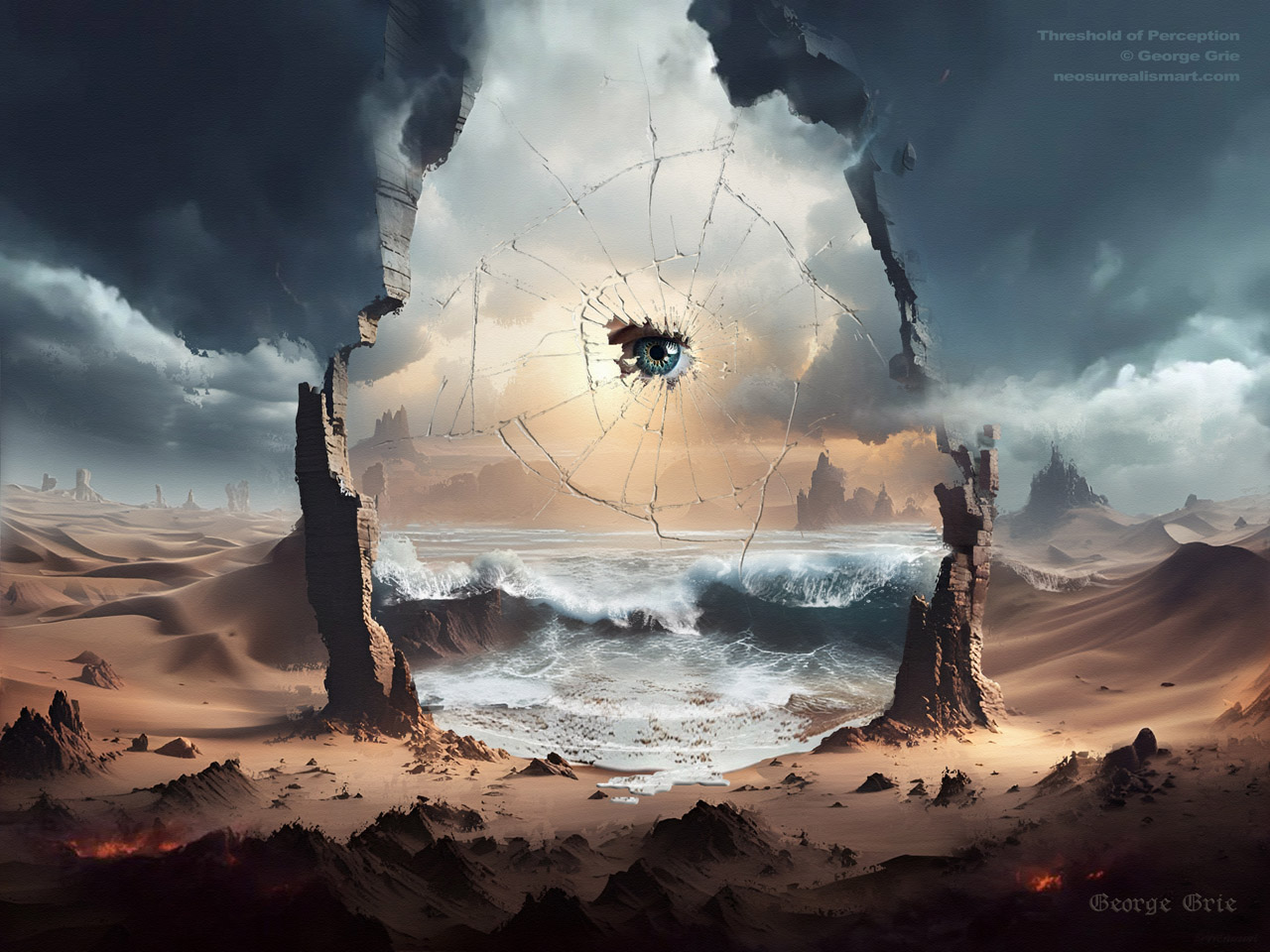
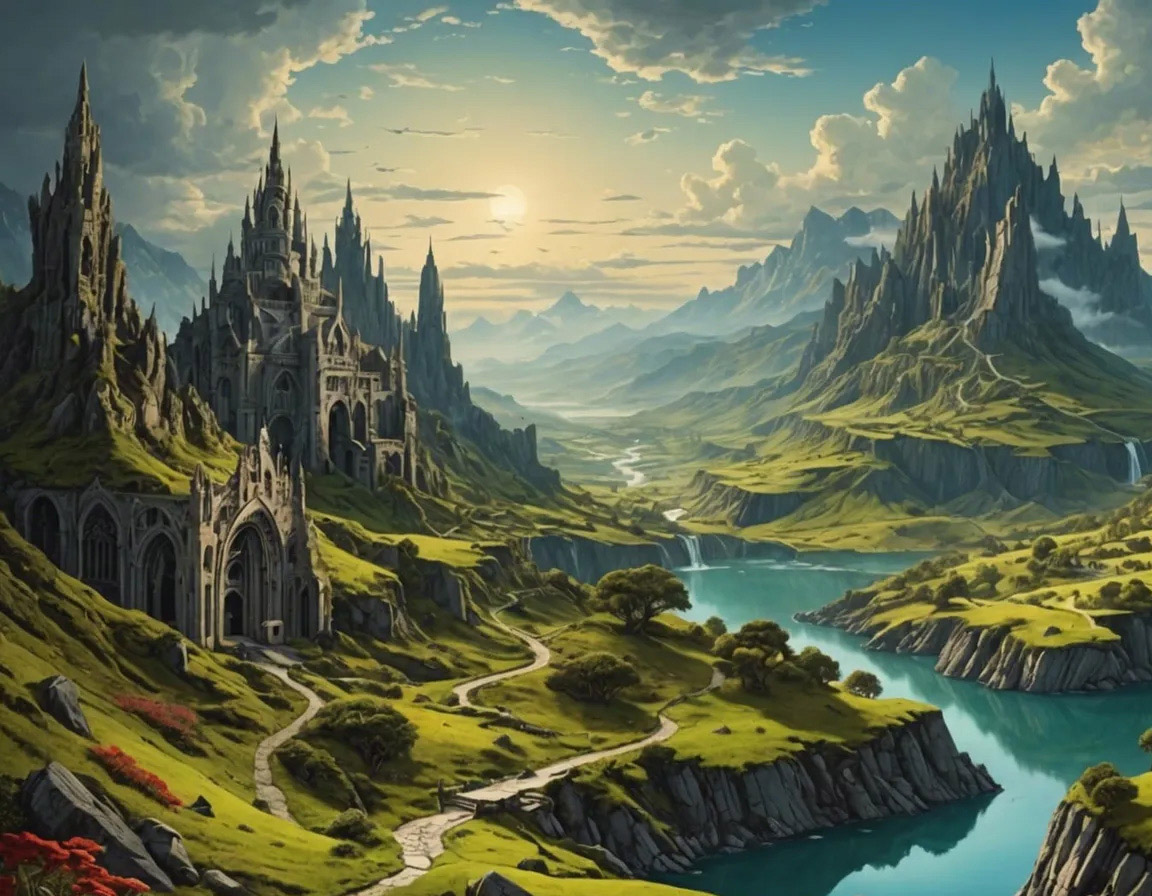
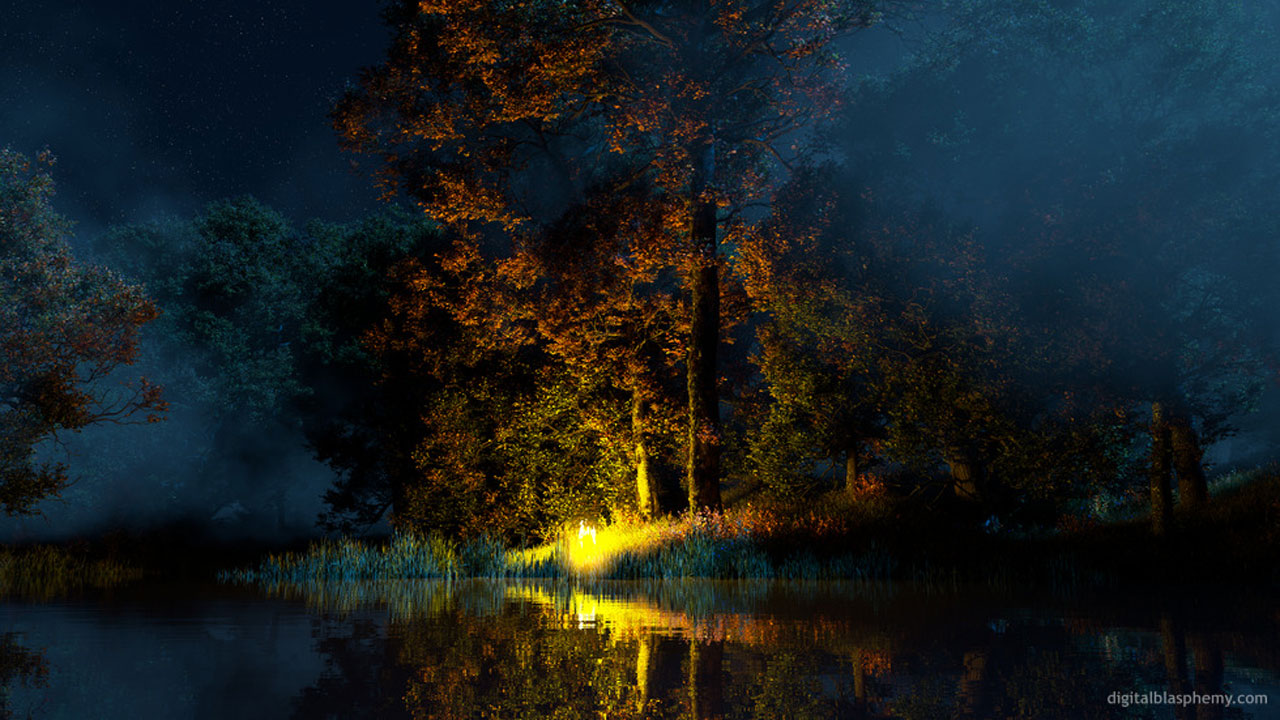
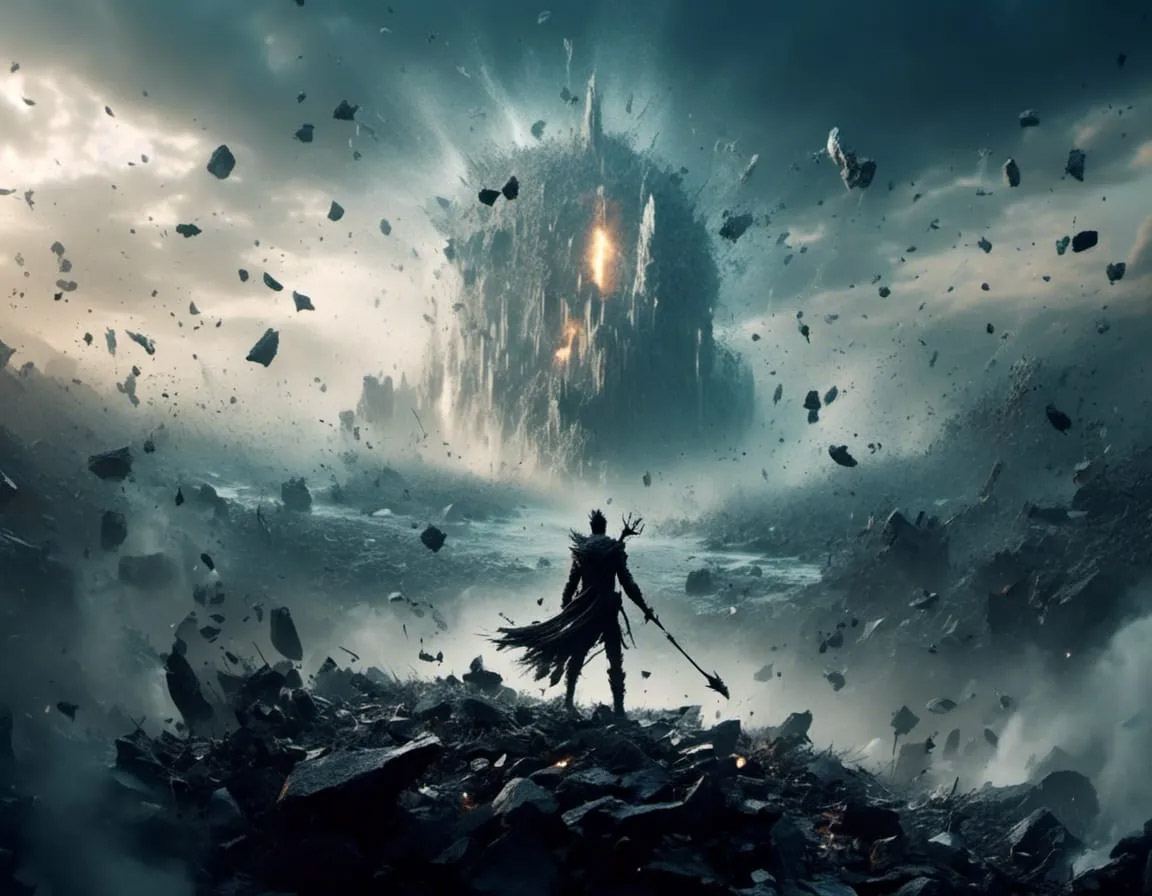
Imaginary Worlds: Fantasy landscapes transport viewers to imaginary worlds that are often filled with magical elements, mythical creatures, exotic plants, and fantastical landscapes that defy the laws of nature.
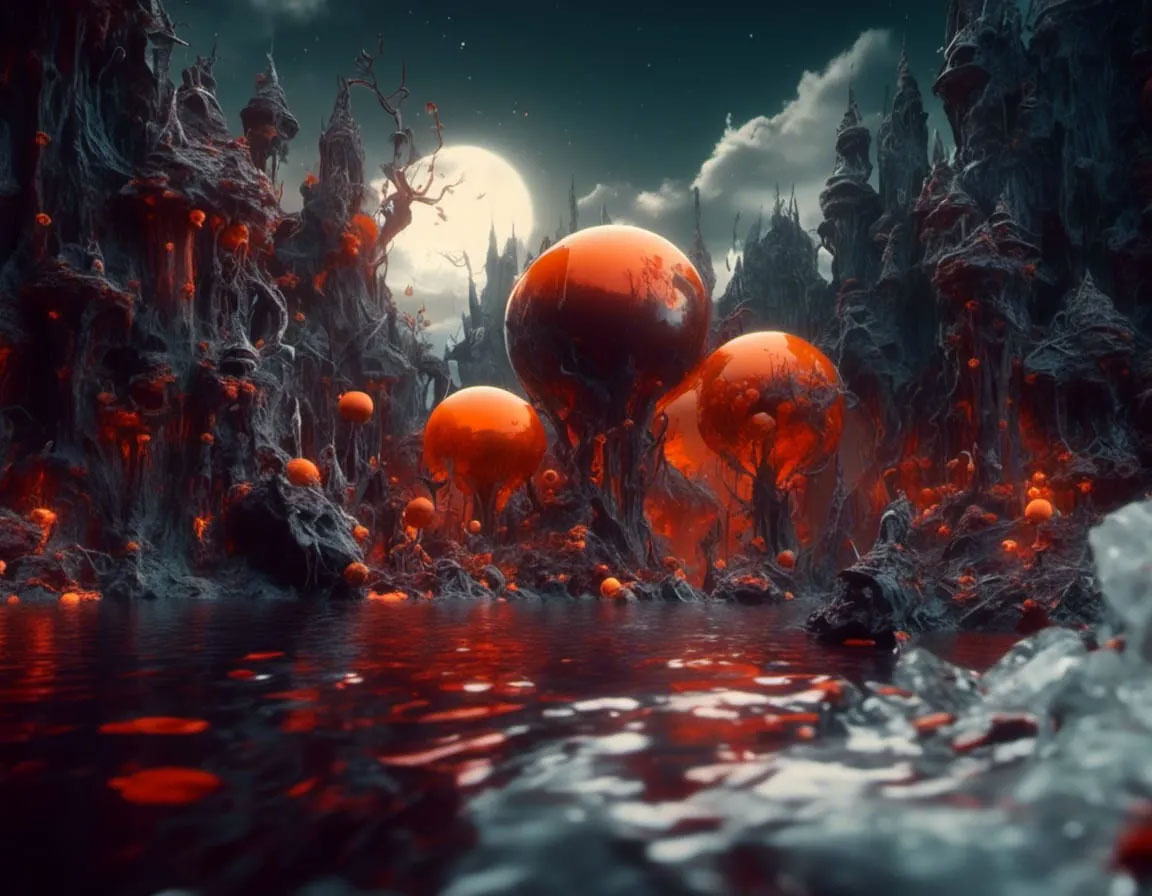
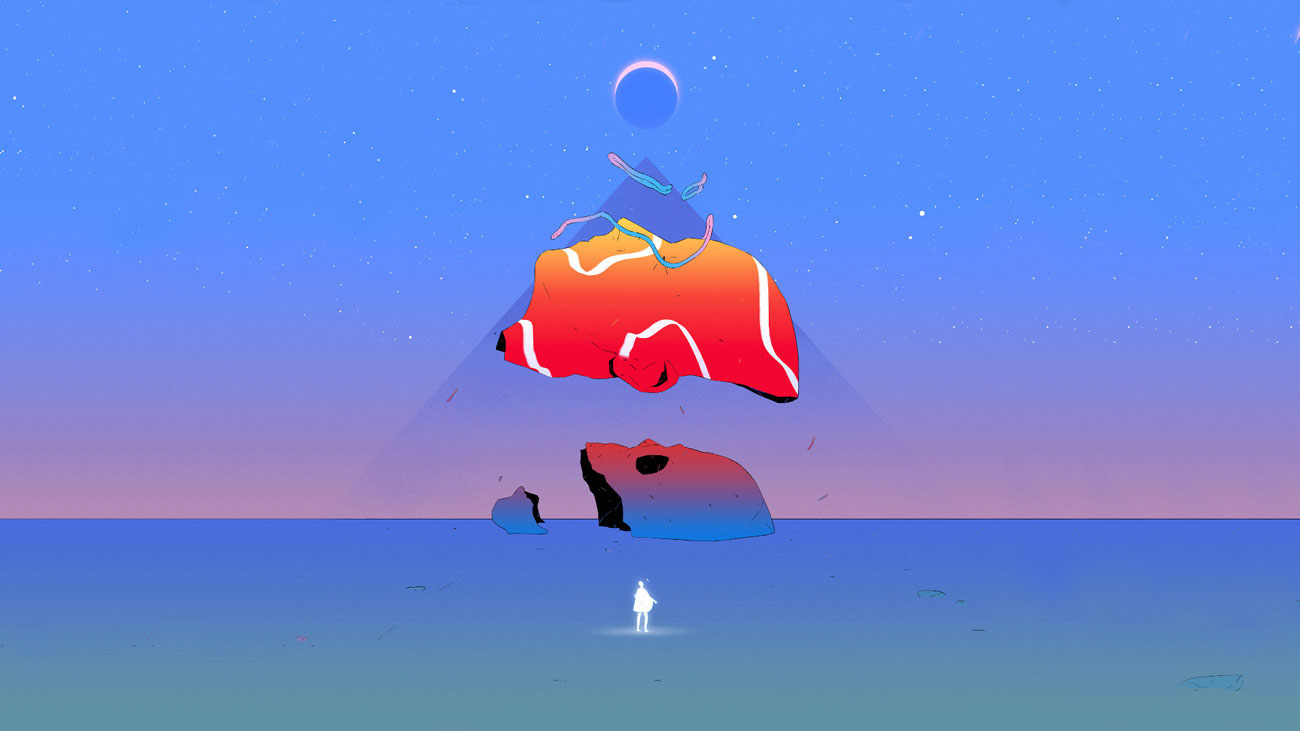
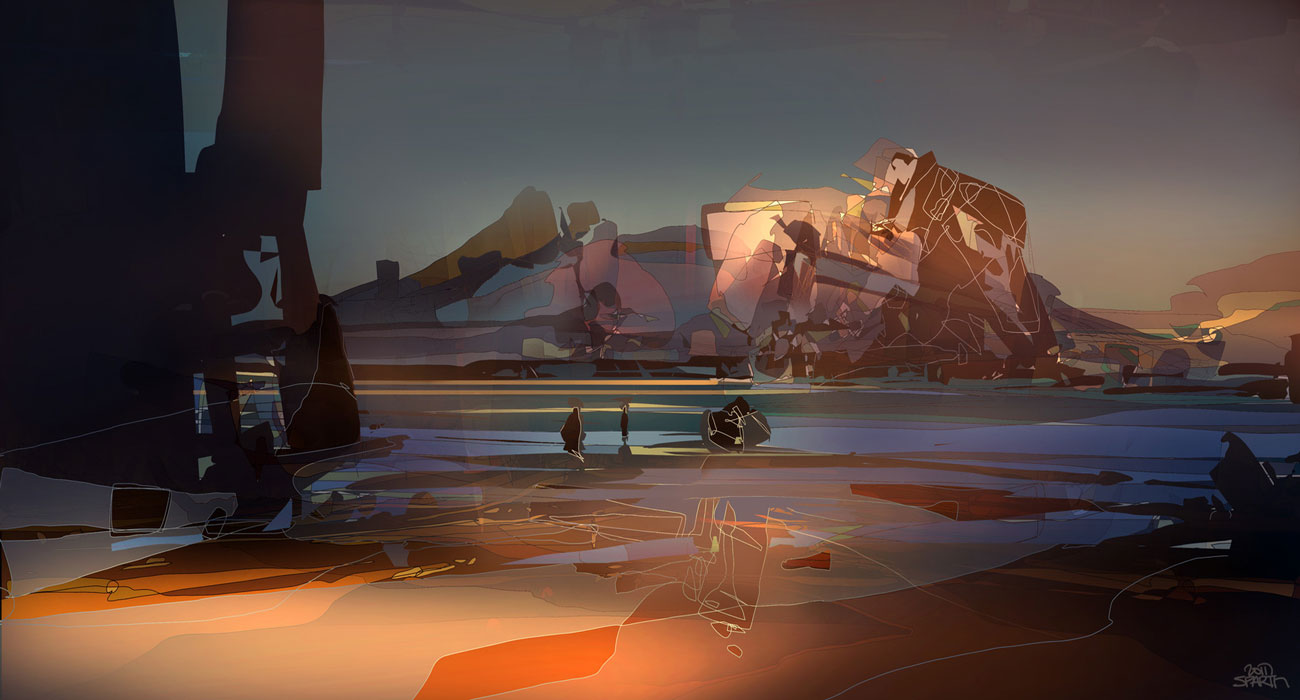
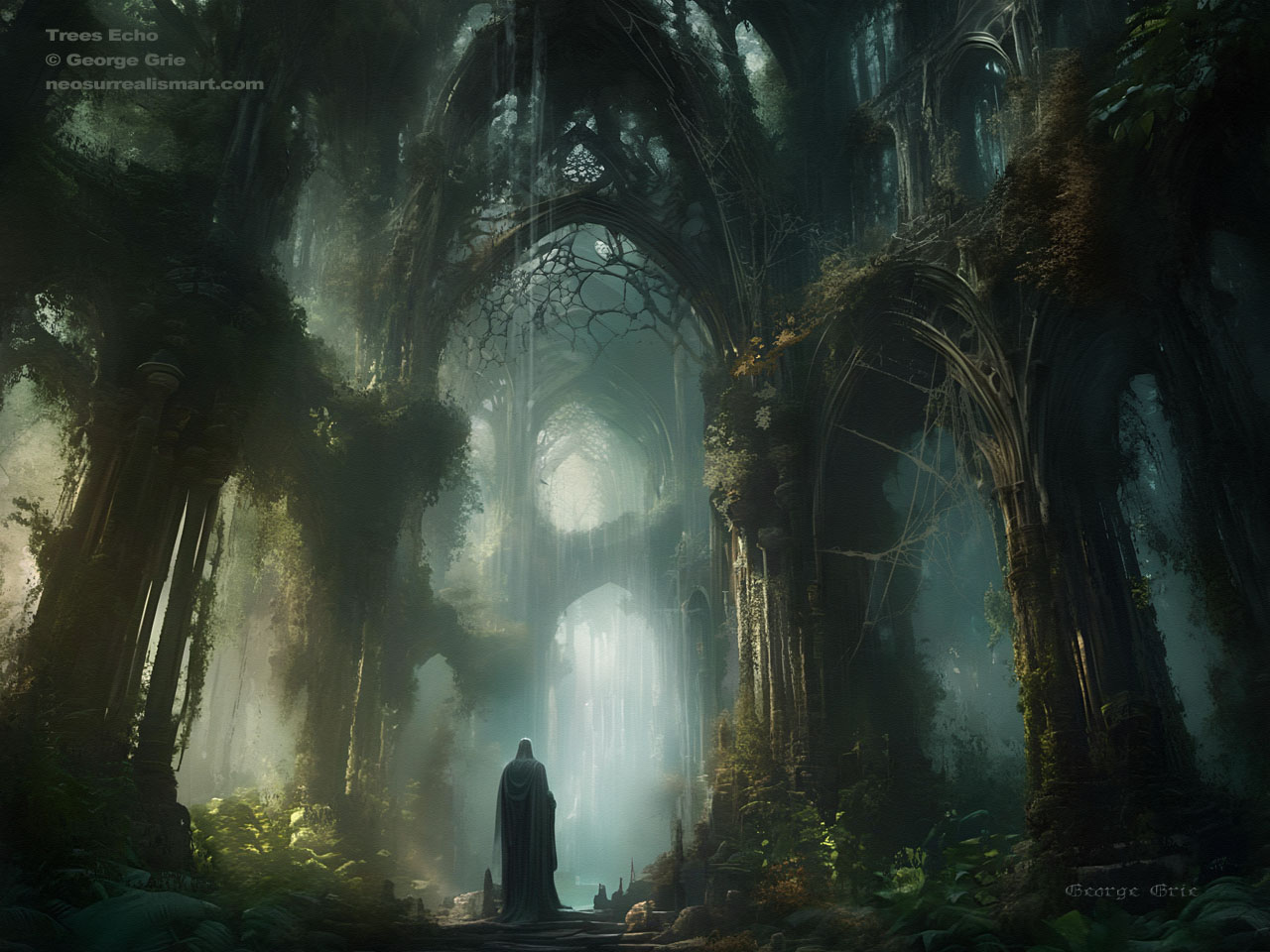
Creative Freedom: Artists have the freedom to unleash their creativity without the constraints of reality. They can invent unique landscapes, dreamlike atmospheres, and imaginative creatures that captivate the imagination of the viewer.
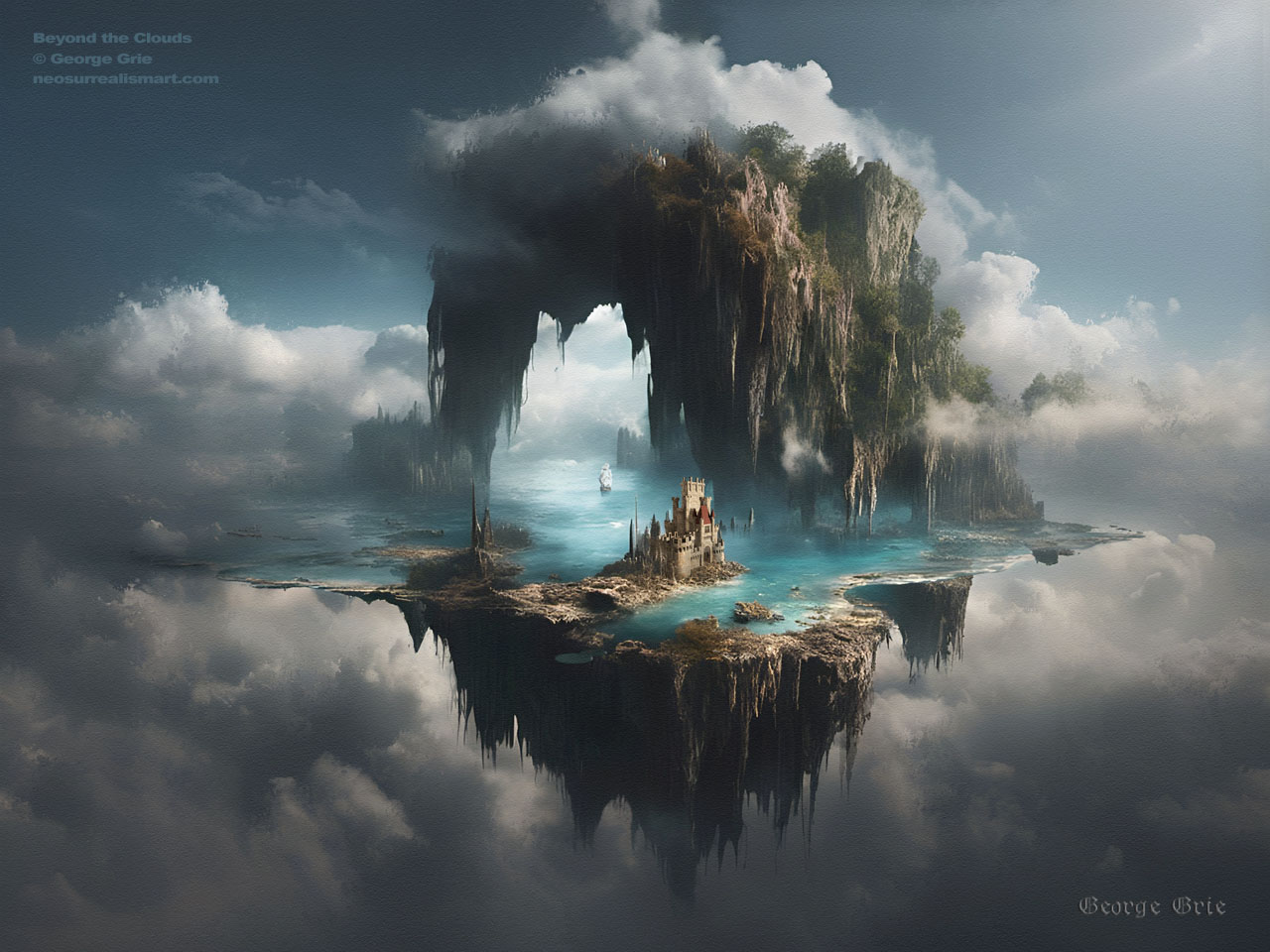
Surreal Elements: Fantasy landscapes often incorporate surreal or dreamlike elements, such as floating islands, gravity-defying structures, mystical forests, enchanted castles, or celestial realms.
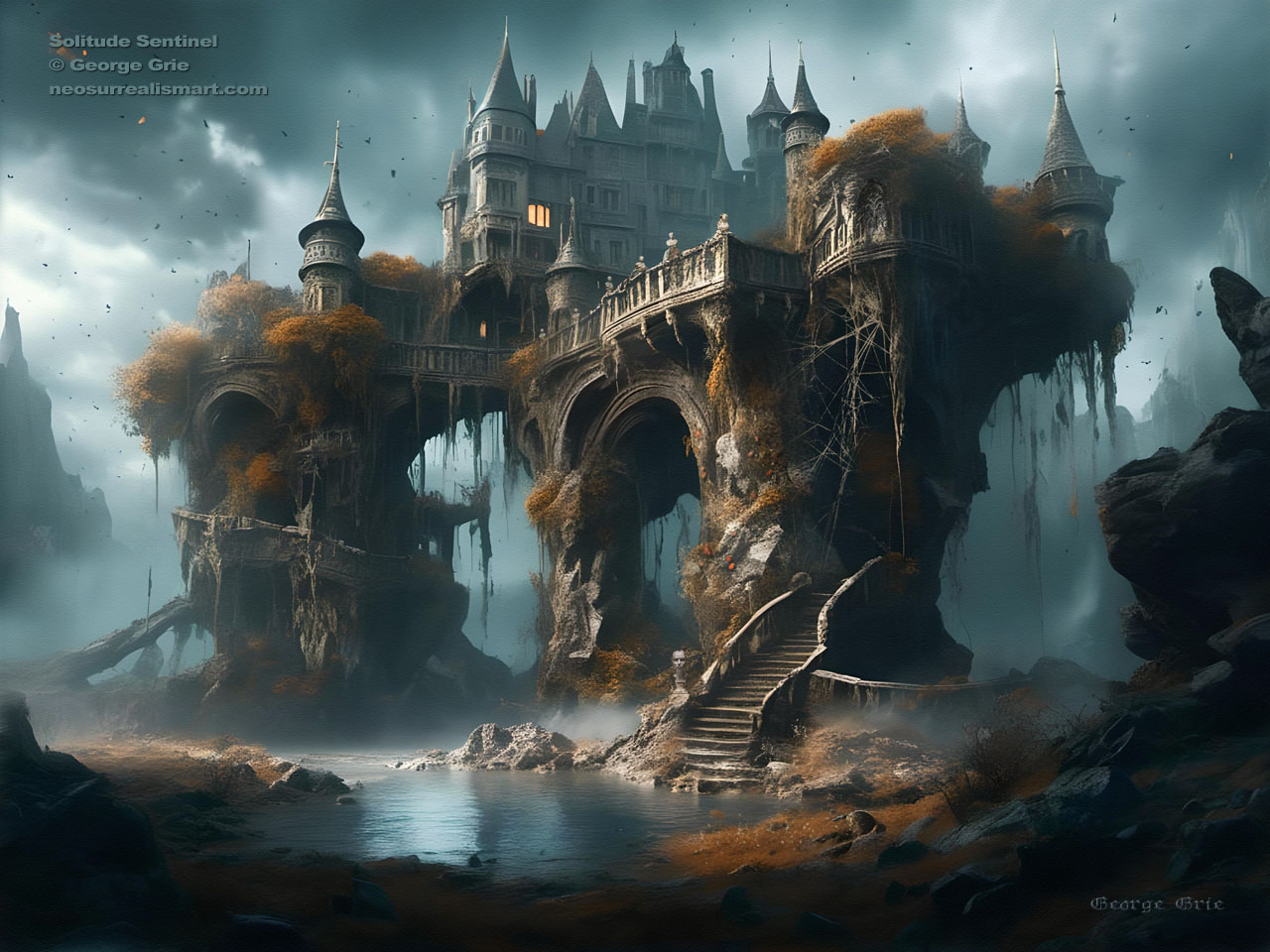


Narrative and Storytelling: Many fantasy landscape artworks tell stories or evoke a sense of narrative. They may depict epic adventures, mythical quests, ancient civilizations, or mystical realms, inviting viewers to immerse themselves in a world of wonder and imagination.


Emotional Impact: Fantasy landscapes can evoke a wide range of emotions, from awe and wonder to mystery, excitement, and sometimes even a sense of foreboding or danger. The use of color, lighting, composition, and symbolism plays a crucial role in conveying these emotions.


Influence from Literature and Media: Fantasy landscape art often draws inspiration from literature, mythology, folklore, fairy tales, and popular media such as fantasy novels, movies, and video games. Artists may reimagine iconic scenes or create entirely new interpretations based on these sources.


Artistic Techniques: Artists use a variety of artistic techniques and med iums to create fantasy landscapes, including traditional methods like painting (acrylics, oils, watercolors) as well as digital tools such as digital painting software, 3D rendering software, and photo manipulation.


Overall, fantasy landscape art offers a captivating and immersive experience, inviting viewers to explore imaginary worlds filled with wonder, magic, and adventure. It celebrates the limitless possibilities of the imagination and allows artists to express their creativity in fantastical and imaginative ways.
Notable Artists:
Here are some notable digital landscape artists known for their exceptional work in creating stunning digital landscapes:Sparth (Nicolas Bouvier): A renowned concept artist and art director, Sparth is known for his masterful use of color and atmosphere in creating captivating sci-fi and fantasy landscapes.
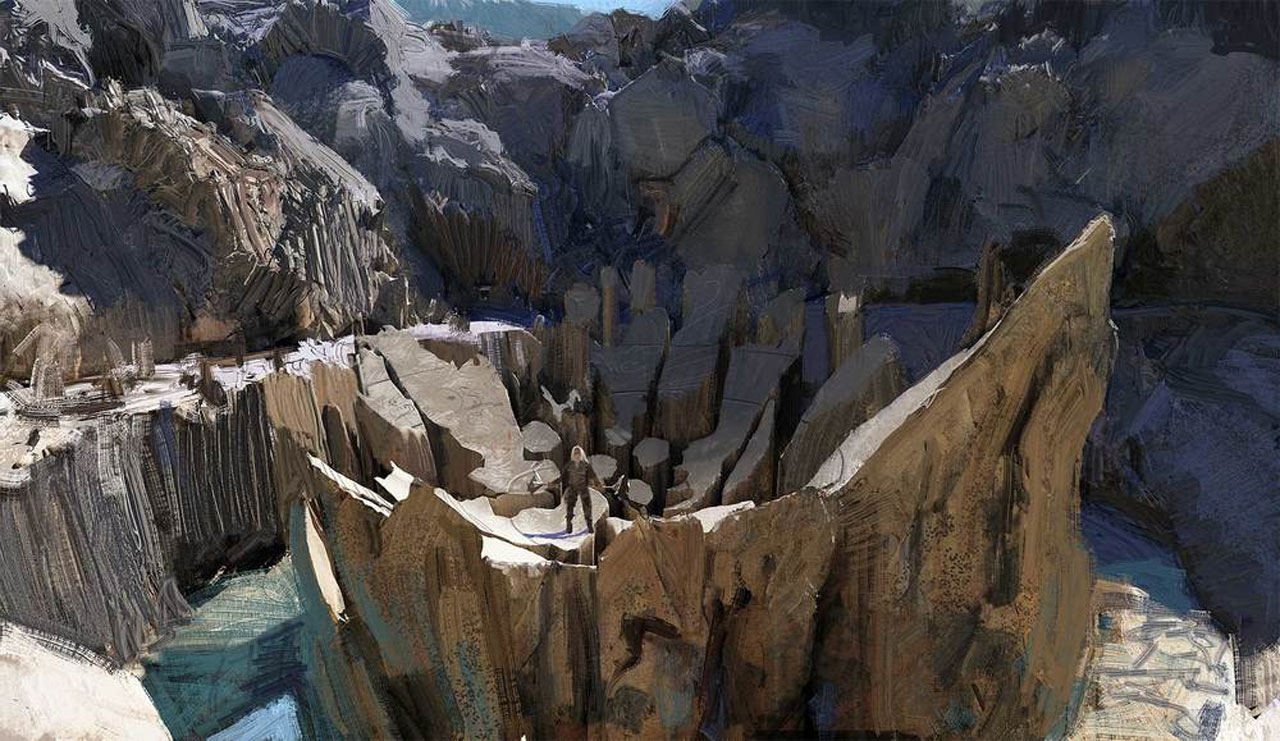
Craig Mullins: Widely recognized as a digital painting pioneer, Craig Mullins' landscapes often blend realism with imaginative elements, showcasing a deep understanding of light, texture, and composition.
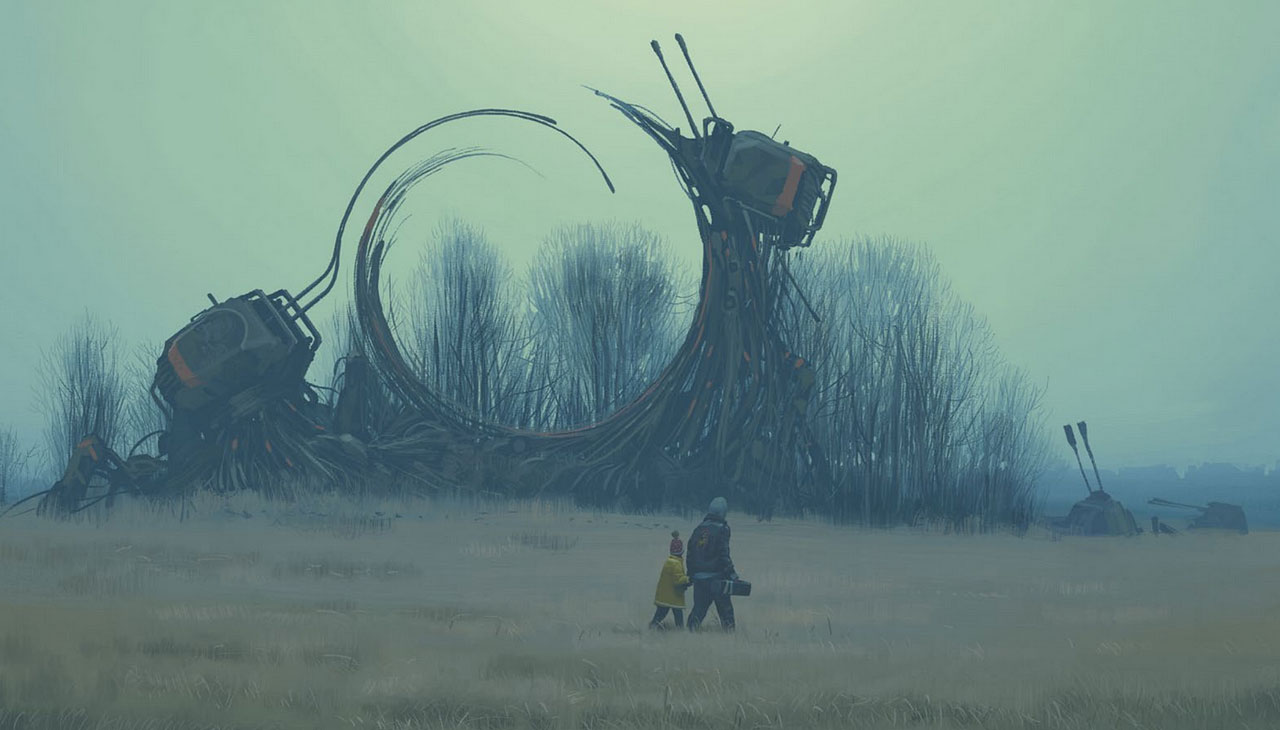
Simon Stålenhag: While primarily known for his blend of sci-fi and nostalgic themes, Stålenhag's digital paintings often feature breathtaking landscapes that evoke a sense of wonder and intrigue.
Ryan Bliss (Digital Blasphemy): With a focus on creating immersive and fantastical worlds, Ryan Bliss's digital landscapes range from serene natural settings to futuristic cityscapes, all infused with vivid colors and attention to detail.
Victor Mosquera: Known for his vibrant and dynamic digital paintings, Mosquera's landscapes often feature surreal and imaginative elements that transport viewers to mesmerizing fictional realms.
Notable Artists: A concept artist and illustrator, Marek Okon's digital landscapes are characterized by their intricate detail, atmospheric lighting, and rich storytelling elements, making each piece feel like a snapshot from a larger narrative.
Andreas Rocha: Rocha's digital landscapes often depict breathtaking scenes of nature, showcasing a blend of realism and fantasy that captures the beauty and grandeur of natural environments.
Jonas De Ro: With a focus on creating awe-inspiring fantasy landscapes, Jonas De Ro's work often features expansive vistas, mythical creatures, and imaginative settings that transport viewers to fantastical realms.
Cloud: Imaginary worlds, Fantasy realms, Mythical creatures, Magical landscapes, Surreal environments, Dreamlike atmospheres, Enchanted forests, Celestial realms, Epic adventures, Mythological landscapes, Exotic plants, Floating islands, Ancient civilizations, Enchanted castles, Otherworldly landscapes, Fantasy storytelling, Imagination unleashed, Fantasy artistry, Fantasy illustration, Whimsical landscapes